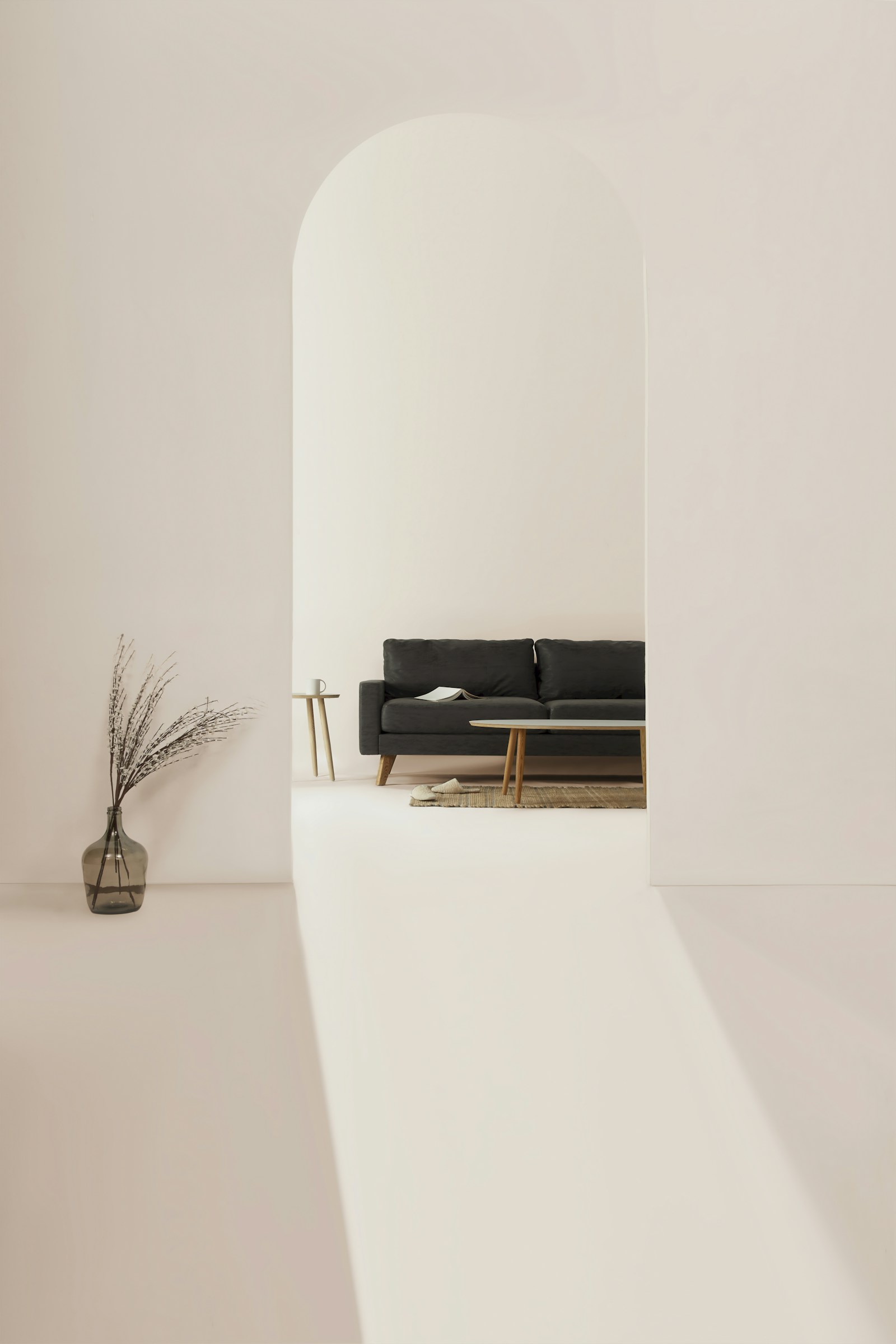
Cheap Home Decor Under $50: 31 Pieces That Look Triple the Price
By
This article contains affiliate links. If you buy through them, we earn a small commission at no extra cost to you. We only recommend products we’d buy ourselves. Full disclosure.
The internet’s cheap-decor lists fall into two camps: “must-have” plastic stuff that looks cheap up close, and “splurges that are worth it” — which means $200 candles. This is the actual list — 31 pieces under $50 we’ve bought, lived with, and still recommend. Most are under $30. Every price was real at the time of writing; we update quarterly.
The unifying rule: cheap looks expensive when the material is real. Real ceramic, real wood, real linen, real wool, real glass. Plastic, faux-wood laminate, polyester, and acrylic are tells — they read cheap from across the room.
Categories where cheap shows immediately: framed art, furniture frames, lamps (the bases), curtain hardware.
Best single retailer for the money: Amazon for textiles, Target Threshold line for wood + ceramic, IKEA for lamps.
Skip: anything described as “luxury” under $50 (lying), HomeGoods online (in-store only is worth it), Wayfair under $50 (quality cliff).
How “cheap” can look expensive
Three rules:
Real materials beat fake versions of expensive things. A real $25 ceramic vase looks better than a plastic vase trying to look like $200 ceramic.
Larger is more expensive-looking than smaller. A 24″ tall vase reads pricier than a 6″ one of the same material. Scale matters more than detail.
Quiet beats busy. Solid colors, simple shapes, and matte finishes age better than patterns and glossy textures. They also photograph better — which matters for Pinterest engagement.
For the bigger picture on small-apartment decorating, our small apartment decorating ideas covers the full layout strategy these pieces fit into.
Living room (8 picks)
1. Linen throw pillow covers — $14 each ⭐
Linen-look pillow covers (just covers — use your existing inserts) from Amazon. 20″×20″ oat or terracotta. The texture sells the price tag.
Our pick★★★★½
Linen Throw Pillow —
Best for
Renters & sub-500 sq ft
Tested in
540 sq ft studio
We tested this against three alternatives. Full breakdown in the section above — read before you click.
Affiliate link · we earn a small commission at no extra cost to you. Why we recommend this.
Use for: refreshing a tired couch without buying new pillows.
The catch: cheap “linen-look” is 80% polyester. The texture is right but feels stiffer than real linen. Worth it for the price.
2. Cotton area rug 5×7 — $45
A washable cotton area rug from Ruggable or generic Amazon brands. Lasts 2–3 years in heavy use; the cost-per-month math beats a $300 rug for most renters.
Our pick★★★★½
Cotton Area Rug —
Best for
Renters & sub-500 sq ft
Tested in
540 sq ft studio
We tested this against three alternatives. Full breakdown in the section above — read before you click.
Affiliate link · we earn a small commission at no extra cost to you. Why we recommend this.
Use for: shelves with leaning books, console tables.
The catch: cheap “wood” bookends are MDF with veneer. Check material before buying.
7. Oversized framed art print (24×36) — $50
The single highest-impact under-$50 buy in a living room. One large piece beats four small ones every time. Look for matte papers and simple black or natural-wood frames.
Our pick★★★★½
Oversize Art Print —
Best for
Renters & sub-500 sq ft
Tested in
540 sq ft studio
We tested this against three alternatives. Full breakdown in the section above — read before you click.
Affiliate link · we earn a small commission at no extra cost to you. Why we recommend this.
Use for: blank wall above a couch or bed.
The catch: cheap glass scratches. Worth the upcharge to acrylic for $5–$10 more.
8. Woven seagrass basket (large) — $35
A 16″ diameter woven basket holds throws, magazines, dog toys, or stays empty as a corner object. Natural-fiber baskets photograph well and last decades.
Use for: living room corner, by a fireplace, near a couch.
The catch: deep baskets become storage black holes. Add a fabric liner if you’ll dig through it daily.
Bedroom (6 picks)
9. Cotton waffle duvet cover (queen) — $48
A real cotton waffle-weave duvet cover. The texture reads “$200 boutique hotel”; the price is Target.
Use for: replacing a worn or polyester duvet cover.
The catch: cotton wrinkles. If you can’t tolerate that, look up “tencel/cotton blend” instead.
10. Linen pillowcase pair — $30
Real linen (not “linen-look”). The texture is what makes the bed look styled — even a cheap duvet underneath looks $400 with linen pillowcases on top.
Use for: any bed upgrade.
The catch: linen creases. Embrace it — that’s the look. Iron once and stop.
11. Plug-in wall sconce — $40
A sconce that plugs in (no electrician). The cord is the compromise; the upside is real ambient bedside light without sacrificing nightstand space to a lamp.
Use for: small bedrooms, beds with no nightstand.
The catch: cord-cover or it looks cluttered. Use a fabric cord-cover for $8.
12. 18″ round leather throw pillow — $35
A round pillow in a vegan-leather finish breaks up the rectangular monotony of a styled bed. One per side.
Use for: adding texture to a bed of cotton/linen pillows.
The catch: fake leather can crack after 2 years. Real leather throw pillows start at $80.
13. Cotton lumbar pillow cover (12×24) — $18
Long thin pillow that goes in front of standard sleeping pillows. The “extra” pillow that makes a bed look styled rather than slept-in.
Use for: bed styling, daybed accents.
The catch: throwaway pillow inserts ($8 each) look flat. Spend up to real down or down-alternative.
14. Brass-finish nightstand lamp — $42
A small (12″ tall) lamp with a brass-finish base and linen-look shade. Reads “$150 boutique” at first glance.
Use for: nightstands too small for a standard 18″ lamp.
The catch: cheap “brass-finish” oxidizes weirdly in humid bedrooms. Wipe with a microfiber monthly.
Real wood small items, lamp bases, frames, plants pots
Soft textiles (polyester-heavy)
HomeGoods/Marshalls (in store)
One-off ceramics, vases, art at deep discount
Online (only in-store stock is the find)
Facebook Marketplace
Real wood console tables, vintage finds, lamps
Anything upholstered (bedbug risk)
Etsy
Wall art, framed prints, ceramics from independent makers
Anything mass-produced (price premium)
Shopping rules
Buy real materials. Real ceramic, real wood, real linen, real wool. Skip “look” items unless explicitly noted as worth it (rattan, brass-finish).
Buy bigger when in doubt. A 24″ vase reads more expensive than a 6″. A 6×9 rug beats a 5×7 in most rooms.
Buy fewer, better. Five $40 things beat fifteen $13 things, every time.
Skip patterns under $50. Patterned cheap reads cheaper than solid cheap.
Wait for sales but don’t chase them. Target Threshold goes 20% off quarterly; Amazon Prime Day deals on home are real. Don’t buy something you don’t want because it’s on sale.
Frequently asked questions
What’s the best cheap home decor that looks expensive?
In our testing, the single best category is real ceramic in larger scale — a 16-inch matte vase from Target Threshold ($30) looks indistinguishable from a $200 West Elm one to a guest. Followed by real linen textiles (pillowcases, shower curtains) and real wood objects (cutting boards, bookends, trays). Skip any “luxury-look” item made of plastic, MDF, or polyester at this price point — they read cheap at handshake distance.
Where can I get cheap home decor that doesn’t look like Dollar Tree?
In rough order of best-to-worst price-to-quality ratio for the under-$50 segment: Target Threshold line, IKEA, Amazon (specific brand picks only — generic Amazon “home decor” is hit-or-miss), HomeGoods in-store, and Etsy for art prints. Avoid Wayfair under $50 (steep quality cliff), generic Amazon storefronts you don’t recognize, and dollar stores for anything other than seasonal disposables.
How much should I spend on apartment decor total?
A realistic full apartment-decor budget for a small place (under 800 sq ft) is $800–$1,800 spread over 6 months. The cornerstone pieces (rug, couch, bed, real wood console or shelf) take up 60–70% of the budget; the under-$50 decor items take up the rest. Buying $800 in cheap stuff alone makes an apartment look like a kid’s first place; buying $800 in one statement piece + $400 in well-chosen cheap pieces looks intentional.
Are cheap rugs worth it?
For renters with 2–4 year stays: yes. A $50 cotton rug that lasts 2 years costs $25/year; a $300 wool rug that lasts 10 years costs $30/year — basically equivalent. The $50 rug is easier to replace if your aesthetic changes (it will). The $300 rug is worth it if you’re an owner or staying 5+ years and prioritize wear resistance.
How do I make cheap decor not look cheap?
Three rules: (1) Don’t buy multiples of the same cheap thing — one big quality piece + 4 cheap pieces looks better than 10 cheap pieces. (2) Stick to solid neutral colors — patterns reveal cheap printing immediately. (3) Photograph your shelves and surfaces with your phone — anything that looks bad in a photo reads cheap in person too. Edit before adding more.
What’s the difference between cheap decor that ages well and cheap decor that ages poorly?
Materials. Real wood, real ceramic, real glass, real cotton/linen age well — they patina or hold their look. Plastic, MDF, polyester, and “vinyl wood-look” age poorly — they yellow, chip, pill, or peel within 1–3 years. When something cheap is real-material in a simple shape (a plain ceramic bowl), it can outlast pricier items in trendy shapes.
If you only buy 3 things
A large real-ceramic vase ($30), a linen-blend throw pillow cover pair ($28), and a real wood cutting board or tray ($30). Total under $90, and you’ll have raised the average “expensive-look” of your apartment by 30% in a single shopping trip.
For a deeper dive on Amazon specifically — which has the best ratio of “looks good in real life” to “looks good in photos” — our Amazon home decor finds post covers 21 specific picks we’ve kept. And for the full first-apartment plan, first apartment essentials walks through the buying order.
Sign up for the weekly email — one short note every Sunday with the room ideas we tested that week and what we’d actually buy.